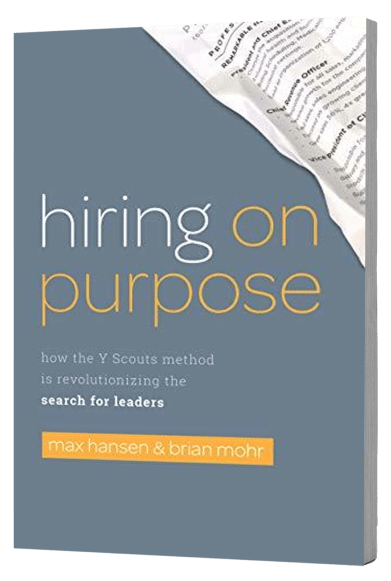
Most executive searches optimize for one thing: the resume. Years of experience, the right title history, a track record that checks every box on the job description. It may feel rigorous, but it isn’t enough.
A candidate can match every line of a C-suite job description and still be the wrong hire. The missing variable is culture, and most searches treat it as a nice-to-have instead of a requirement to solve for at the same time as the role itself.
Table of Contents
ToggleThe Problem With Optimizing for Role Alone
When a search is built purely around the job description, it produces candidates who look right on paper. That’s exactly the trap one of our clients, Paulus Engineering, kept running into before working with Y Scouts. Their team was fielding resumes from other recruiting firms and spending hours in interviews with candidates who technically qualified but never should have made it to the table.
I’d spend an hour, two hours interviewing people. It was so time consuming and I’m like, why did you put this person in front of me? It was such a waste of time.
Jason Paulus, President, Paulus Engineering
That’s what role-only search looks like from the inside. Every candidate is a plausible match on paper. Almost none of them are a real match in practice, and the company doesn’t find out until they’re already deep into the interview process.
The Problem With Optimizing for Culture Alone
The opposite mistake is just as costly. A search that leans entirely on “vibe” or culture fit, without a clear-eyed read on whether someone can actually do the job, produces a different kind of bad hire: someone who’s well liked and under-equipped. Culture fit was never meant to replace competence. It’s meant to sit alongside it.
Optimize for Both, at the Same Time
The searches that work start by getting specific about both dimensions before a single candidate enters the picture:
- Role fit: the skills, experience, and track record the seat actually requires, not just the credentials that sound impressive
- Culture fit: how the organization actually operates day to day, and what kind of leader will thrive inside that, not just outside it
Paulus Engineering’s search partner didn’t start with resumes. It started with a conversation about what leadership actually looked like inside their organization, and what “fit” would really mean for the person filling the seat.
One of my most important criteria for finding a search partner was someone who understood the culture of us here at Paulus Engineering, understood what we were looking for as far as a leader goes.
Jason Paulus, President, Paulus Engineering
That’s the shift. Culture isn’t a filter applied after the fact. It’s part of the brief from day one, defined with the same rigor as the role itself.
What It Looks Like When Both Are Solved For
When role and culture are optimized together, the result isn’t just a hire who can do the job. It’s a hire who fits the organization well enough that the fit shows up from both sides of the table.
This is what I was looking for. You met all the criteria.
Jason Paulus, President, Paulus Engineering, on the candidate’s reaction to the opportunity
The candidate placed in that search felt the same alignment:
It’s one thing to be aligned culturally, but my skills also match up perfectly with what they needed, and there’s going to be great synergy going forward. For me, it’s a perfect combo.
Neither side was optimizing for role or culture. They were optimizing for both, and it showed up as a hire that stuck. You can read how the whole search came together in the Paulus Engineering case study.
The Takeaway
A job description tells you what a candidate needs to be able to do. It tells you nothing about whether they’ll thrive inside your organization once they’re doing it. The searches that consistently land the right C-suite leaders treat both as non-negotiable, from the first conversation through the final decision.
That’s the standard Y Scouts builds every search around: understand the role, understand the culture, and don’t call it a match until both are solved for.
Looking to fill your next critical leadership role? Let’s talk.