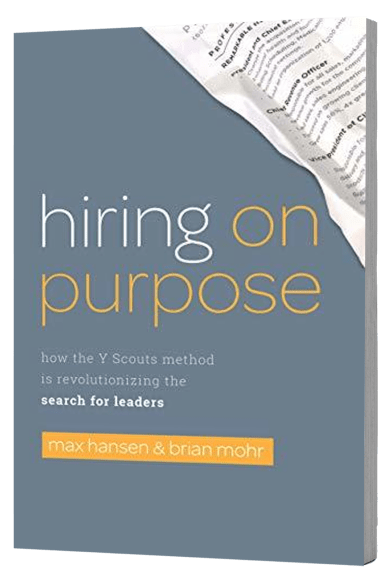
When a leadership seat opens unexpectedly, the fastest path forward always looks the same, and it always looks reasonable: find someone with a similar background, reuse the existing job description, and refill the seat as quickly as good judgment allows.
It feels efficient, and in the narrowest sense, it is. The real question worth sitting with is: What does that particular kind of efficiency quietly cost an organization over the following eighteen months?

The numbers alone make the stakes clear before we even reach the harder, less quantifiable cost. The average price of hiring an executive now sits close to thirty-six thousand dollars, a figure that has climbed twenty-one percent in just a few years and runs nearly seven times what it costs to hire a non-executive. And that number, sobering as it is, only accounts for the recruiting process itself. It says nothing about what happens when the new hire turns out to be poorly matched to what the role has actually become. Roughly half of all outside senior hires fail within eighteen months. Once an organization tallies the recruiting cost, the onboarding investment, the lost productivity, and the price of running the entire search over again, a single bad executive hire can easily cost several multiples of that person’s salary.
The mistake, more often than not, happens well before the search itself begins. Roles inside a growing company are rarely static; reporting lines shift, technology quietly changes the actual substance of the work, and a position that once demanded deep technical expertise may now require someone capable of leading change across several departments at once. Job descriptions almost never move at the same pace as the roles they’re meant to describe. So when a seat opens, most organizations reach instinctively for the old description and search for someone who resembles the person who just departed. In doing so, they end up recruiting for last year’s version of the job, rather than the version the business genuinely needs standing in front of it next.
New leaders, understandably, need time to learn an organization, build trust across it, and translate strategy into visible action. That normal, expected ramp-up period is also, unfortunately, an excellent place for a genuine mismatch to hide in plain sight. Early struggles get attributed generously to “still learning the ropes.” Later struggles get relabeled, just as generously, as “growing pains.” Meanwhile, the rest of the team adapts quietly around the gap, building workarounds that no one consciously chose. By the time everyone finally agrees, out loud, that the fit was wrong all along, the organization may have already lost a full year, and finds itself back exactly where it started, running the same search over again with a fresh sense of urgency it didn’t have the first time.
This is the exact conversation we insist on starting with at Y Scouts, before a single resume is allowed to enter the room:
- What does this seat need to deliver over the next twelve to eighteen months, focused entirely forward rather than backward toward what the last person happened to do?
- Has the scope of the role changed enough that it genuinely needs a redesign, split, combined, or elevated, rather than a straightforward refill?
- What did the old job description leave out entirely that the business’s next stage of growth will now quietly require?
“Who can replace this person” and “what does this seat need to accomplish now” sound, on the surface, like the same question asked two different ways. They aren’t. They lead to genuinely different searches, and only one of them is worth running. A fast backfill only saves real time if it fills the right role. More often than either party expects going in, the fastest path forward is spending a little more time defining the seat honestly before anyone begins filling it.
Y Scouts’ Role Visioning process is built around exactly this — aligning on what success genuinely looks like before anyone starts evaluating candidates against it.